
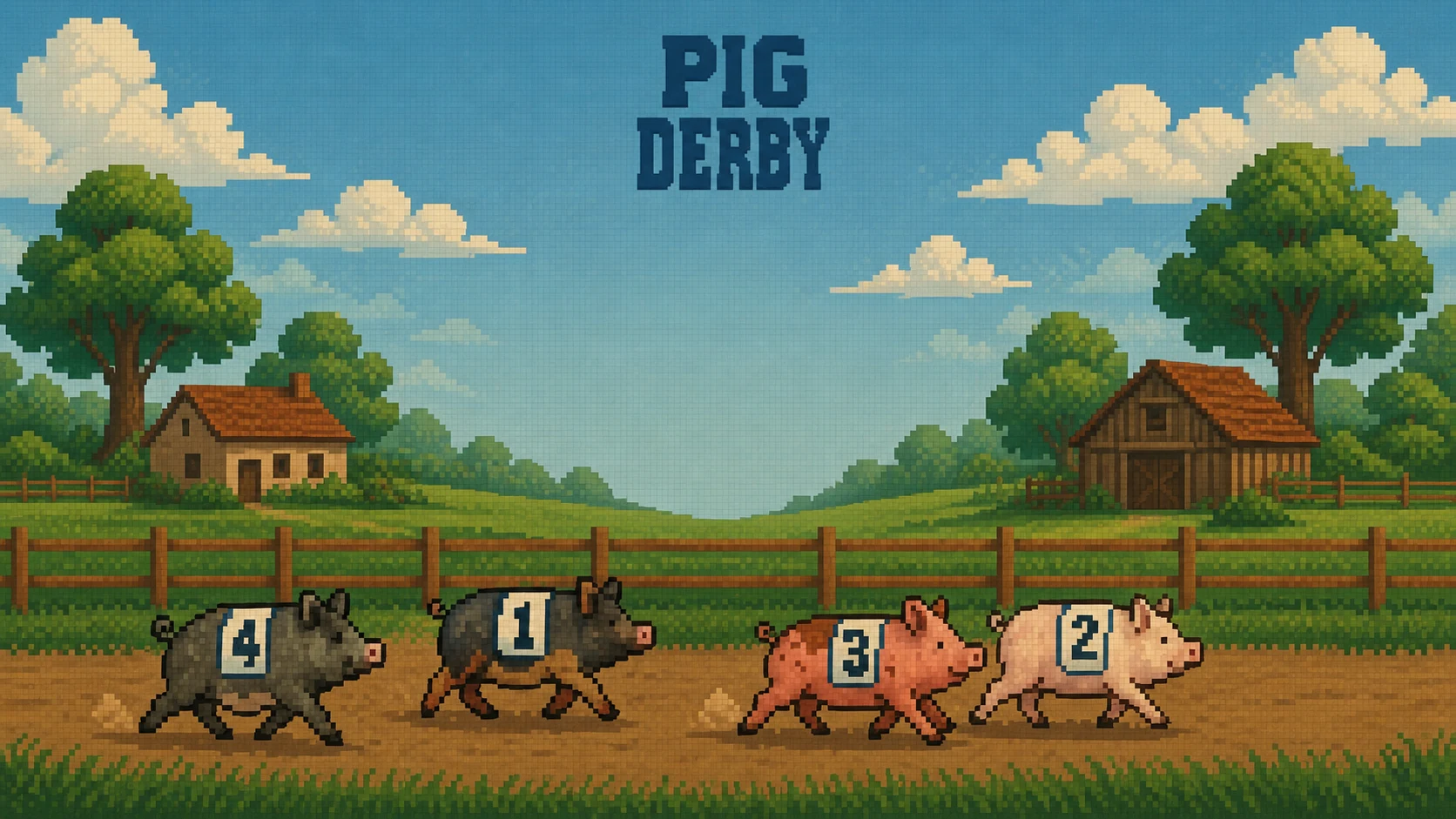
Pig Derby
Four pigs. One muddy track. Pick your runner, back the underdog and grind your way up through tournaments and championships.
Play Pig DerbyDanish solo-developer, making games you can start playing
in the time it takes to read this sentence.
Four pigs. One muddy track. Pick your runner, back the underdog and grind your way up through tournaments and championships.
Play Pig Derby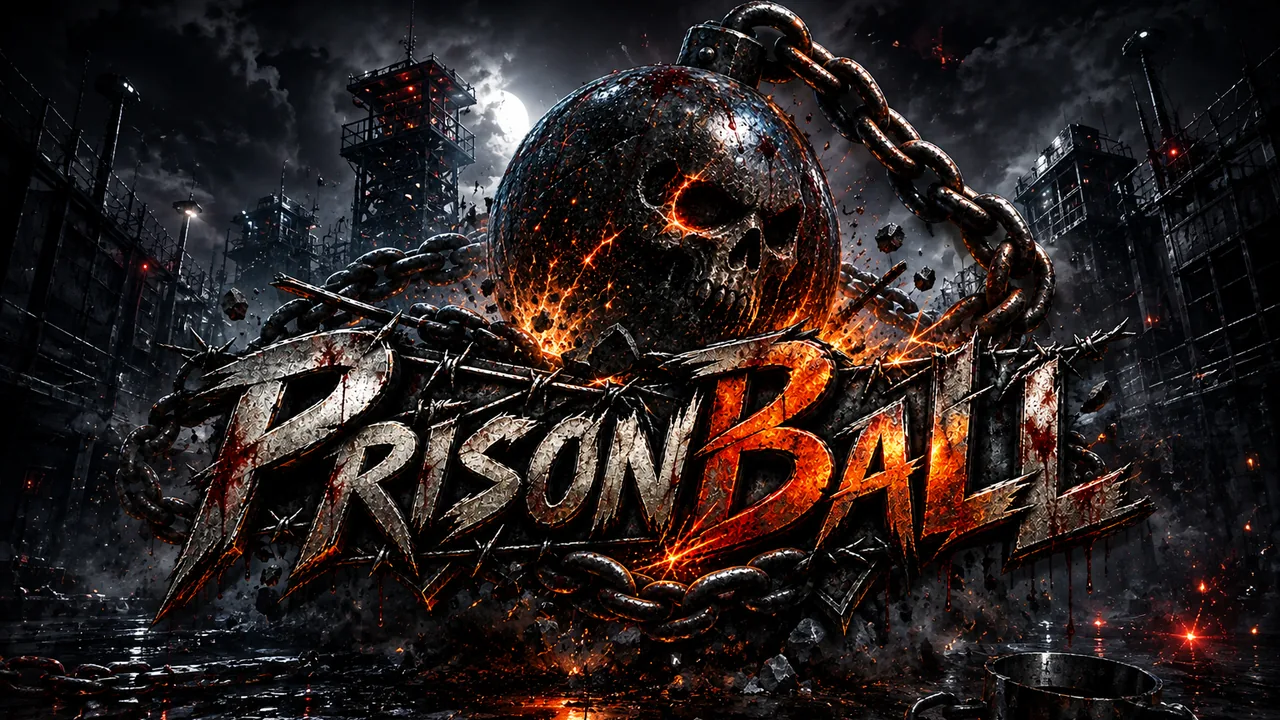
Take charge of a team on the yard. Recruit the roster, call the shots and drag your crew through a full season of the roughest league there is.
Enter the yard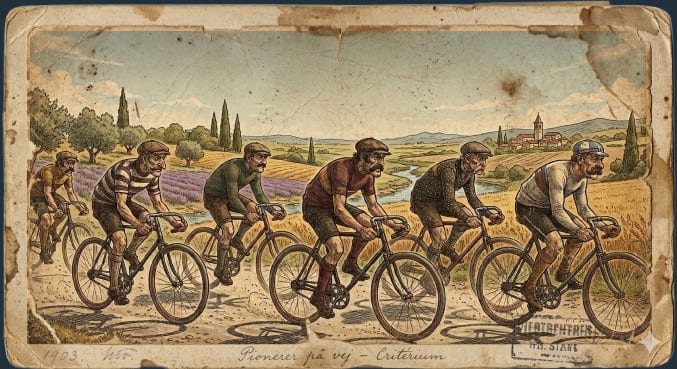
You ride in the team car, not the saddle. Read the road, spend your riders' legs at the right moment and win a 1903 stage race with your head — over gravel, cobbles and mountain passes.
Take the wheel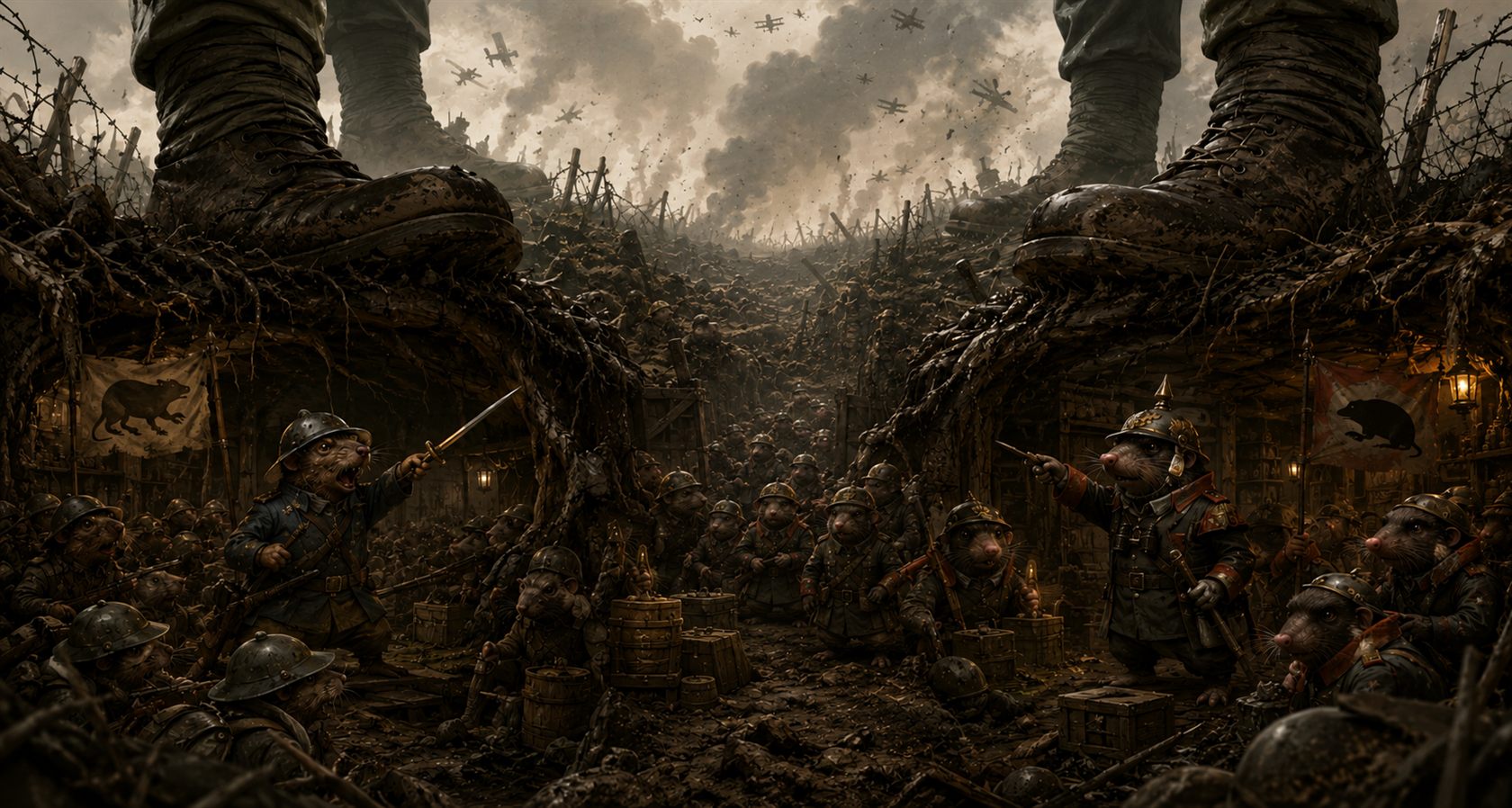
The rats have their own Great War, and it is fought in the mud below yours. Dig the trenches, keep the runners moving and hold the line — a burrow is only taken on foot.
Hold the line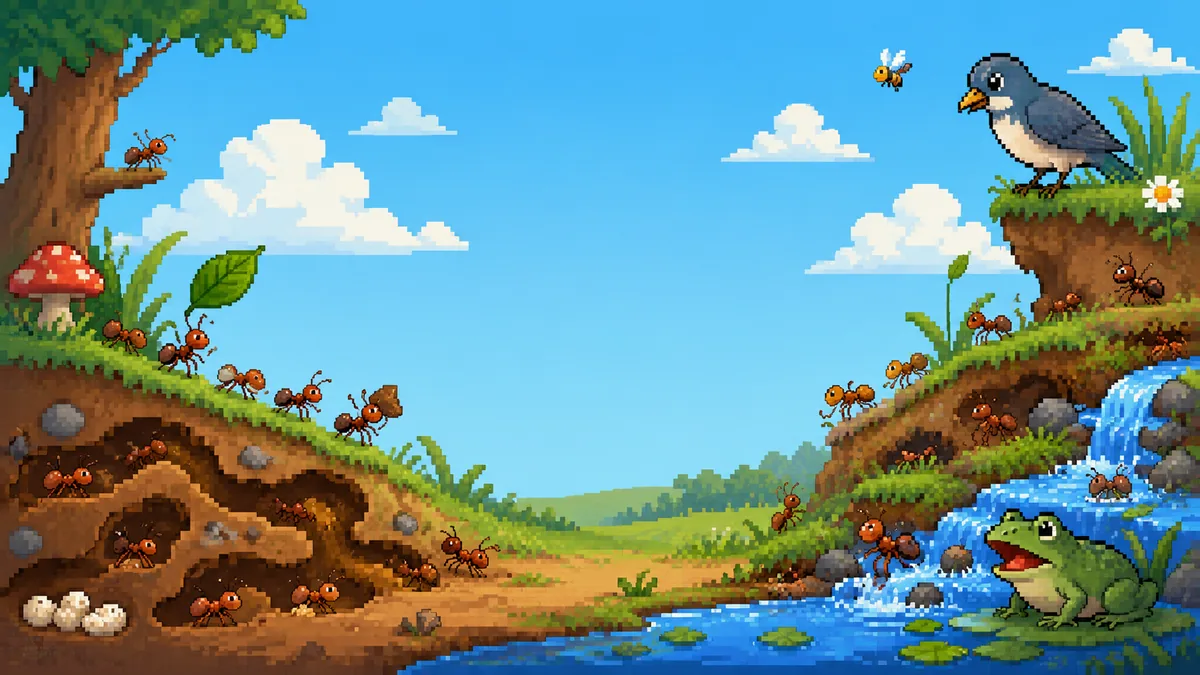
An ant colony that lives whether or not you are watching. It forages, digs and buries its own dead without you — but a colony left to itself only survives. Meadow, forest and desert, and no ending: only how many ants you keep alive.
Not playable yet — still underground.
I'm Marius. I make games you play in a browser tab — no launcher, no download, no account, no price. You click a link and you are playing. Angry Marius Games is the sign over the door; behind it is one person in Denmark.
Most games want something before they give you anything. An install. An account. A launcher that spends six minutes updating itself before you are allowed to be bored. Every one of those steps quietly loses someone who would have enjoyed the game. A browser game asks for a click.
That constraint shapes everything I build. A game has to be interesting within seconds, run on a five-year-old phone, and survive being opened on a train. Those turn out to be good rules to design under. They rule out an enormous amount of padding.
I write business software for a living. It is useful, and it is not very exciting. Games are where I learn the things that job never asks for — and I learn them by building, not by reading. You cannot read your way into knowing how a system feels after ten seasons. You have to build one and watch it go somewhere you did not expect.
I don't write most of the code by hand. I work with an AI: I decide what gets built, why, and how it should feel to play — and a lot of the typing happens somewhere else. It is the reason someone with a day job can finish a game at all.
What comes out is plain HTML, CSS and JavaScript. No frameworks, no build step, no bundler. The file I edit is the file your browser runs, so a fix takes minutes instead of a deploy pipeline. It is an unfashionable way to work and an unreasonably durable one — games built like this still run years later, because there is nothing underneath them to break.
You can play everything without an account, and your progress is saved in your own browser. The catch is that it only lives there: clear your cache, switch to your phone, and it is gone. Make an account and your save follows you instead.
The games are free and stay free. Revenue comes from my own banner system, sold and served in-house, so no third-party ad network gets to decide what appears next to the game — and if you want to advertise, the same account buys the space. I don't sell player data, and I'm not going to. I also read every message sent through this site.
See all five games, or more about me and how these get made.
Found a bug, got an idea, or think the pigs run too fast? It comes straight to me. No account, no newsletter — one person reads every message.